
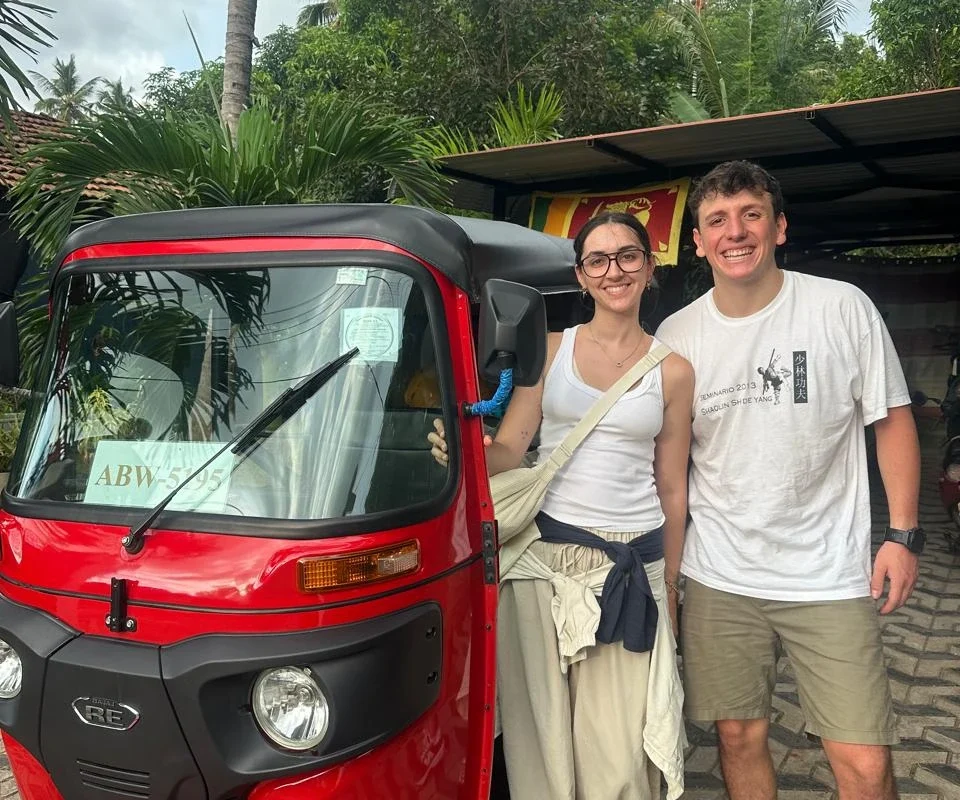
A fourteen-day Sri Lanka tuk tuk itinerary needs breathing room. A route that looks tidy on a map can become tiring when you add handover, sightseeing, rain, meals and unfamiliar roads.
The itinerary below is a suggested planning framework for an already authorised driver who is comfortable with a manual three-wheeler. It starts and finishes near Negombo and gives the cultural triangle and Kandy proper time. Ella and the south coast are alternatives for a different route, rather than extra destinations to squeeze into every two-week trip.
Choose a loop you can comfortably shorten
The proposed overnight sequence is Negombo, the Dambulla–Sigiriya area, Kandy, and then a west-coast return with a final night near the airport. It is intentionally less ambitious than a full-island circuit.
Before booking accommodation, discuss each transfer with your rental provider using current road conditions. Do not build the day around a car-based navigation estimate. Choose a route suitable for the vehicle and allow enough time to stop before you become tired.
Use our first-time tuk tuk checklist for handover and document preparation. The itinerary begins after those practical arrangements are understood.
Days 1–2: Arrive and settle in Negombo
Use day one for arrival and rest. If your flight arrives late, keep collection for a time when you can inspect the vehicle properly. Day two can combine the handover, a short familiarisation drive and a relaxed local outing.
Our Negombo starting guide explains this approach. Do not turn the collection day into a test of how far you can travel. It is more useful to learn where your bags fit, how the controls feel and what support number to call.
Overnight in the same place on both nights if that makes the arrival simpler. Packing and changing hotels immediately adds effort without adding much to the trip.
Day 3: Begin the cultural-triangle stage
Head toward your chosen base in the Dambulla–Sigiriya area with a full transfer day available. This is the proposed longest move in the first part of the plan, so discuss the route and a possible intermediate overnight stop before departure.
If you are travelling slowly, use one of the later flexible days to split this journey. Do not try to preserve the printed day numbers at the expense of arriving comfortably. Check in, park and leave major sightseeing for a fresh morning.
Days 4–5: Give Sigiriya and Dambulla separate time
Sri Lanka Tourism includes Sigiriya and Dambulla among the cultural triangle’s main heritage attractions. Treat each outing as a real visit, including walking, breaks and the journey back to your base.
For day four, choose Sigiriya as the principal activity. On day five, consider Dambulla and keep the remainder flexible. Check current visitor arrangements, opening times and tickets directly before travelling.
Leave the tuk tuk in an appropriate parking area and continue on foot where required. Access to an attraction does not mean that every path around it is a driving route.
Day 6: Keep a spare day where it is useful
A spare day makes the itinerary stronger. Use it for rest, a delayed visit or an overnight break needed during the outward transfer. If everything has gone smoothly, simply enjoy a quieter day rather than filling it automatically.
You can move this day to another part of the itinerary. Its purpose is flexibility. It should not become a commitment to another distant destination before you know how the trip feels.
Day 7: Travel toward Kandy
Make the transfer the main activity. Confirm the route that morning, keep accommodation details available and stop for lunch without rushing.
Choose a Kandy stay with a clear approach and parking instructions. A property may appear close to the centre while its final access road is less convenient for an unfamiliar driver. Ask the host about that last section in advance.
Days 8–9: Explore Kandy at a slower pace
Plan one main cultural outing and leave time to explore on foot. A visit to the Temple of the Sacred Tooth Relic area needs its own attention to dress, visitor rules and current arrangements.
Use the second day for another local activity or a rest. Keep parking and city traffic in mind rather than repeatedly moving the vehicle between neighbouring stops. The experience should be about the place, not collecting the largest number of map pins.
Days 10–11: Begin a flexible west-coast return
Work back toward the west in stages agreed with the provider. Choose overnight stops after reviewing current routes and how comfortable the previous transfers felt.
This part of the framework intentionally leaves room for a slower return or an extra night in Kandy. Avoid adding a fixed distant excursion that removes your buffer. A two-week trip can feel far more varied when you have time to stop and look around.
Days 12–14: Return, inspect and depart
Be back near your agreed return area before the final travel day. Use day twelve for a short local outing or any remaining transfer. Day thirteen is a sensible time for the vehicle return and inspection when your flight schedule allows.
Day fourteen can then be reserved for departure. If your flight is earlier, move the return accordingly. The key is a genuine buffer between handing back the vehicle and checking in for the flight.
Want Ella or Mirissa instead?
Build an alternative around fewer regions. You might prioritise Kandy and Ella, or choose a west-and-south-coast journey, rather than adding both to this loop. Ask about the practical return arrangements before committing to a one-way plan.
For the underlying budget, read our tuk tuk rental price guide. Route length, return location and chargeable rental days all affect the total.
Turn the framework into your booking
Send your arrival and departure times, driver experience and preferred regions through our Sri Lanka tuk tuk rental page. We can discuss vehicle availability and your collection and return requests.
This is a suggested itinerary, not a promise of road conditions or journey times. Check local conditions before each transfer, keep the flexible days, and let the route serve the holiday rather than control it.
